

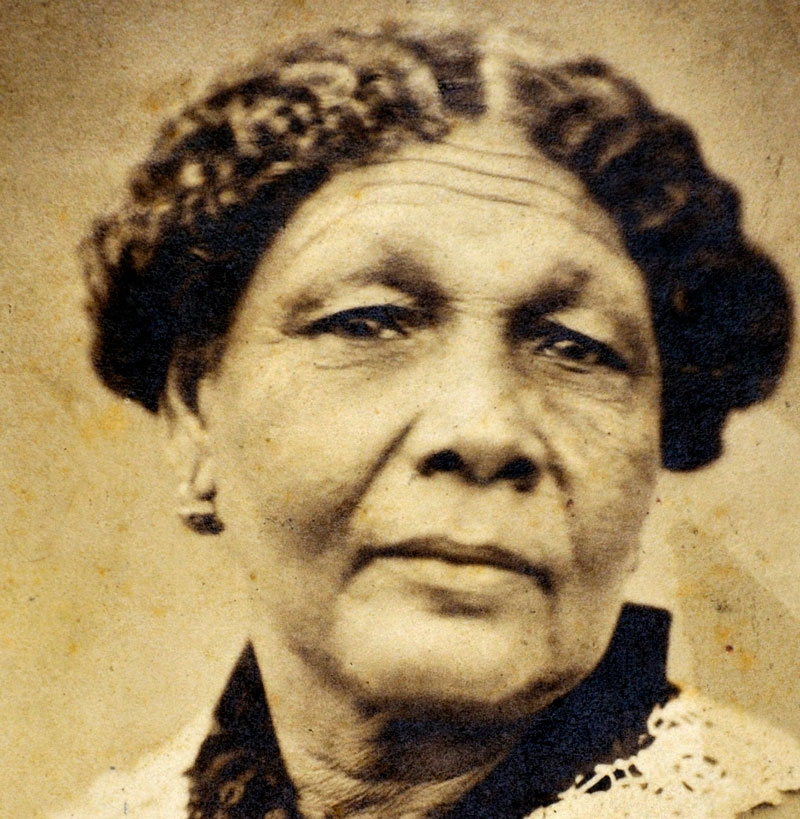
Today we’re going to take a look at one of the best and bravest women to live. Mary Seacole.
Mary Jane Grant was born in 1805, in Kingston, Jamaica to a well-liked ‘doctress’ and a Scottish army officer. Her mother was of African heritage and practiced Creole (Afro-Caribbean medicine), which was who Mary learnt most of her skills from. Mary was so devoted to care that by the age of 12 she was already looking after patients with her mother in their boarding house, most of whom were British Army and Navy officers.
In 1821, Mary came over to England, where her and some relatives stayed for close to a year; helping to learn more about European medicine, which she mixed with Creole. Two-years later, Mary moved to London by herself, where she was subject to racism and a lack of rights. Mary wasn’t allowed to vote, hold public office or get a job.
In 1826, she began travelling and ventured around Cuba, Haiti and the Bahamas. When she was exploring different countries, she was often picking up different medical techniques and methods.
Mary married a gentleman called Horatio Edwin Seacole in 1836, and moved to Black River in Jamaica, unfortunately he died 8 years later, which was followed by the death of her mother, both of which shattered Mary.
Cholera and yellow fever rocked through the world in 1850 and you can bet Mary Seacole went straight to Kingston and helped the victims, then on to Panama in 1851, where she was needed in Cruces which was suffering from its own outbreak. Going back home to Kingston in 1853, an outbreak of yellow fever began and she was invited to go back to her mother’s old lodging house to help nurse victims.
Mary had spent all her life around soldiers, looking after and healing them; so, when the Crimea war began she naturally wanted to aid in any way she could. When she approached the army to send her over to Crimea, she was refused. Florence Nightingale’s assistant even refused to let her help and it widely believed that refusal was due to the colour of her skin. Mary was devastated, but hell-bent on helping the men fighting the war, leading her to fund her own trip to Crimea. At the age of 50, Seacole made her way to Russia and set up her own little medical facility near Balaclava, which was only miles away from the battlefield, unlike Florence Nightingale’s military hospital that was 100’s of miles out. Mary was so close, she visit the battlefield, occasionally while the war was at its height, to save the fallen, which gave her the name ‘Mother Seacole’.
After the war ended, Mary came back to England with hardly anything. She was so loved by the soldiers and even the odd royal that they had a fund-raising gala for 4-nights in 1857! 80,000 people attended and later that year she even published an autobiography called ‘The Wonderful Adventures of Mrs. Seacole in Mary Lands”.
Mary Seacole died in 1881 and for some reason people in the UK forgot about her, which is the saddest part of this story. It’s rumored that Seacole saved more people than Nightingale ever did and she risked her life many more times. Fortunately, in 2004, Mary was remembered after nurses travelled from the Caribbean to visit her grave. When MP, now Lord Clive Solely heard about this, he promised to raise money for a statue to commemorate the wonderful woman and in 2016, the statue was finally complete and stands outside St Thomas’ Hospital, London, Southbank.

Mary Seacole will be remembered as one of the greatest nurses and bravest women; she will always be an inspiration for women and doctors everywhere.
Thanks for reading, and as always, look after yourselves!
 Return Of The Famous Dead