

Vampires are everywhere in pop-culture. Whether it’s Carmilla, Dracula, Lost Boys, Barnabus Collins or the sparkly Edward from Twilight, we have all heard of at least one. For me, my interest in Vampires started when I first watched a stageshow with a vampire story line and then wished I was one for years… I was a very weird child. Then my love for the strange mythical creatures began again after watching the cheesy, yet loveable Carmilla web-series. I mean, who doesn’t love a lesbian vampire story; but, I digress, instead of daydreaming about finally getting my vampire license, let’s take a look at the real legends of Vampires.
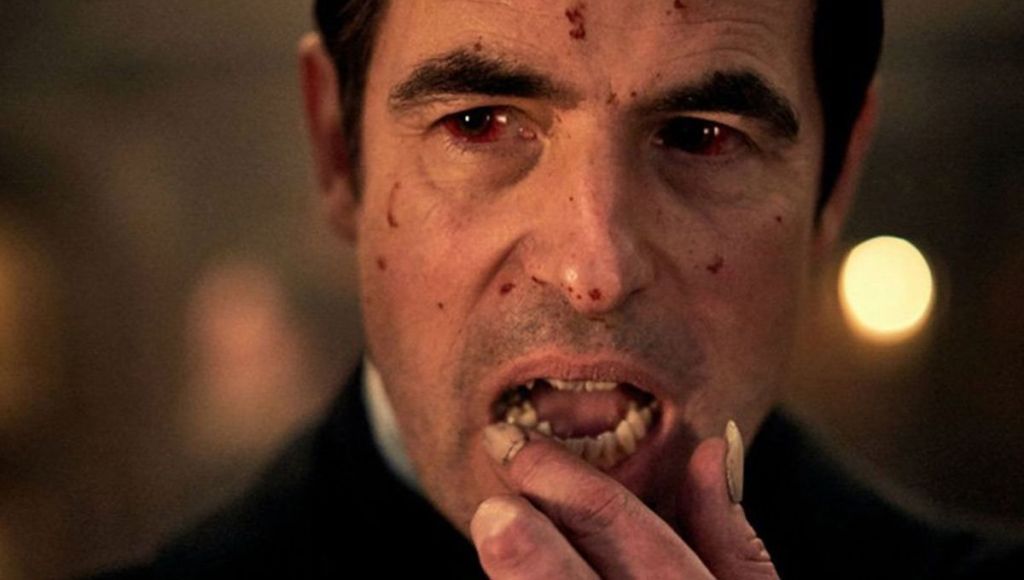
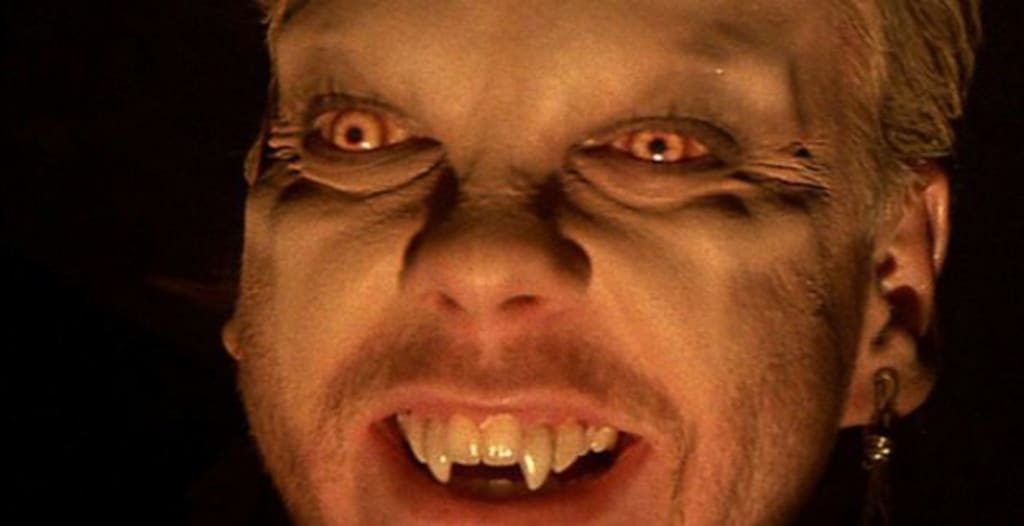
The name Vampire probably originates from eastern Europe, as the tales of these creatures were most popular in this region and in modern culture, vampire’s mannerisms and traits are pretty much established and engrained in our brains like Zombies. They are masters of seduction, they have fangs, can drink our blood and hate garlic, crucifixes and sunlight. Oh, and can only be killed with a stake of some sort through the heart and of course, “Death by Stereo” is a very well-known method. Vampires were previously called Vampyres and prey upon humans and are commonly known as being on the dark side and working with the devil in religious groups.
Vampires are believed to part of the undead family. Drinking blood keeps them alive. Myths dictate that some are created by other vampires, some turn after committing suicide, or a really strange myth is that having a cat jump over a person’s corpse can also turn one.
Some Vampire stories go as far back as Ancient Greece, however they aren’t of human decent, they are merely creatures that drain blood. In medieval Europe myths about zombie-like creatures roaming the land drinking blood and spreading plague were popular folklore.
Some believe that the legends started due to a fear of death and human curiosity of how bodies decompose. When we decompose our skin shrinks and some people believed that the nails and hair were still growing and
“as internal organs break down, a dark purge fluid can leak out of the nose and mouth. People unfamiliar with this process would interpret this fluid to be blood and suspect the corpse had been drinking it from the living.”
Becky Little, National Geographic
Another common belief is that Vampire legends began when people were being misdiagnosed as dead, when they simply weren’t; this lead them to “rising from the dead”. This people were usually really ill or really drunk and in a coma. This is when staking hearts and burying the “dead” facedown in the ground began; If they were buried facedown, they couldn’t find their way out.
It’s believed that Vlad the Impaler was the inspiration for Dracula. The Transylvanian ran Romania for about six years, but he was commonly known as a cruel man (the name kind of gives that away, don’t you think?). The name came from the legend that he killed his enemies by impaling them on a wooden stake. Other legends about him include dining with his dying victims while they were impaled and dipping bread in their blood, but, some people think they may have been stories from Bram Stoker.
But before Bram wrote about Dracula, outbreaks of the plague often coincide with vampire hysteria, it’s believed that they coincided because graves were regularly re-opened during in plagues and this would show the purge fluid and the way the body looked as though it was growing nails. In Venice, Italy there is a plague island named Poveglia and a vampire’s skeleton was found. We know she was at least suspected of being one of the undead as her jaw was forced open by a brick, which was a common exorcism technique back in the day. Vampires were thought to spread the plague by biting people and this is why brick and stone was inserted into their mouths as it was thought to stop them in their tracks. Another reason she may have been believed to be a witch or vampire was because she is estimated to have lived between 61 and 71 years old, which was very uncommon.
Vampire tales were so popular even the Pope at the time, Benedict XIV told the public that vampires were “fallacious fictions of human fantasy.”
Vampires were beginning to appear in poems “Der Vampyr” by Heinrich August Ossenfelder tells the story of a young woman who is seduced by a vampire. Lord Byron was even writing about them! This leads us to the “first” Vampire book, Carmilla. Carmilla was a story about a young woman named Laura, who is bitten by a vampire named Carmilla. Years later a carriage crashes outside her “Schloss” and she meets the lovely Mircalla, who falls for Laura as soon as they meet. You can see where this is going, Mircalla is an anagram of Carmilla and Carmilla is the vampire who bit Laura years before and it turns out pulls this trick every few years with different families in Styria. (I won’t spoil the end of the book if you haven’t already read it).
Just after Carmilla was published, vampire hysteria hit New England. Mercy Brown was a young woman who lived in Exeter, Rhode Island and was the daughter of a farmer named George Brown. A big portion of Mercy’s family had died from TB and because of this, the community needed to explain their deaths as God wasn’t helping them. So, they needed a reason for the families’ deaths, they blamed Mercy for the deaths (it was common practice at the time to find an illogical reason, for a logical death as many didn’t understand diseases and how they spread). “Why did they pick Mercy?” I hear you ask. Well, that’s because when Mercy’s body was exhumed, she didn’t display clear signs of decay (she was in an above ground vault in winter). This lead the townfolk to declare poor Mercy a vampire and accuse her of making her brother (who was already ill at the time with TB) sick. Her heart was cutout of her chest, burnt and to make it even worse, the ashes were fed to her brother. He died shortly after. Probably shouldn’t have upset a vampire, should he.
This wasn’t the only incident in New England though. It’s estimated there are at least 60 known examples between the 18th and 19th century.
Dracula came to light after the New England Vampire pandemic and is most likely the most well-known vampire story. It paved the way for the first vampire film, “Nosferatu” and the sexually charged, succubus type vampires we know of today.
In the 1960’s and 70’s the legend of the Highgate vampire was popular in London after a couple thought they saw a figure, floating behind the cemetery railings. Another sighting followed and another. People were so scared that 70 years ago from our current year, a mob of angry, worried Londoners stormed the cemetery. Nothing was found, surprise, surprise.
Never fear however! Vampires do still exist. There are groups of Vampires who do drink blood at “feasting parties”, some are emotional vampires and they drain people of emotions and this, like blood, replenishes them and there are even a few health-nuts who think drinking blood keep you young and revitalized.
References: https://www.history.com/topics/folklore/vampire-history https://www.britannica.com/topic/vampire https://www.nationalgeographic.com/news/2016/10/vampires-europe-new-england-halloween-history/ https://www.nationalgeographic.com/news/2010/2/100226-vampires-venice-plague-skull-witches/ https://theunredacted.com/the-highgate-vampire-horror-of-the-dead/
Disclaimer: There is so many vampire myths and legends and I wish I could cover it all. I couldn’t add everything and this is a brief overview of the history.
 Return Of The Famous Dead